
26+ Years Experience
Trusted expertise in hair restoration
26+ Years Experience
Trusted expertise in hair restoration
26+ Years Experience
Trusted expertise in hair restoration
26+ Years Experience
Trusted expertise in hair restoration
26+ Years Experience
Trusted expertise in hair restoration
26+ Years Experience
Trusted expertise in hair restoration
26+ Years Experience
Trusted expertise in hair restoration
26+ Years Experience
Trusted expertise in hair restoration
Hair Growth Facts
Understanding the science and histology behind healthy hair and scalable treatments.
Card Title
A short description about this card. Add more details to engage your visitors.
Card Title
A short description about this card. Add more details to engage your visitors.
Card Title
A short description about this card. Add more details to engage your visitors.
Our Gallery

Image Title
A brief description of this image.
Image Title
A brief description of this image.
Image Title
A brief description of this image.
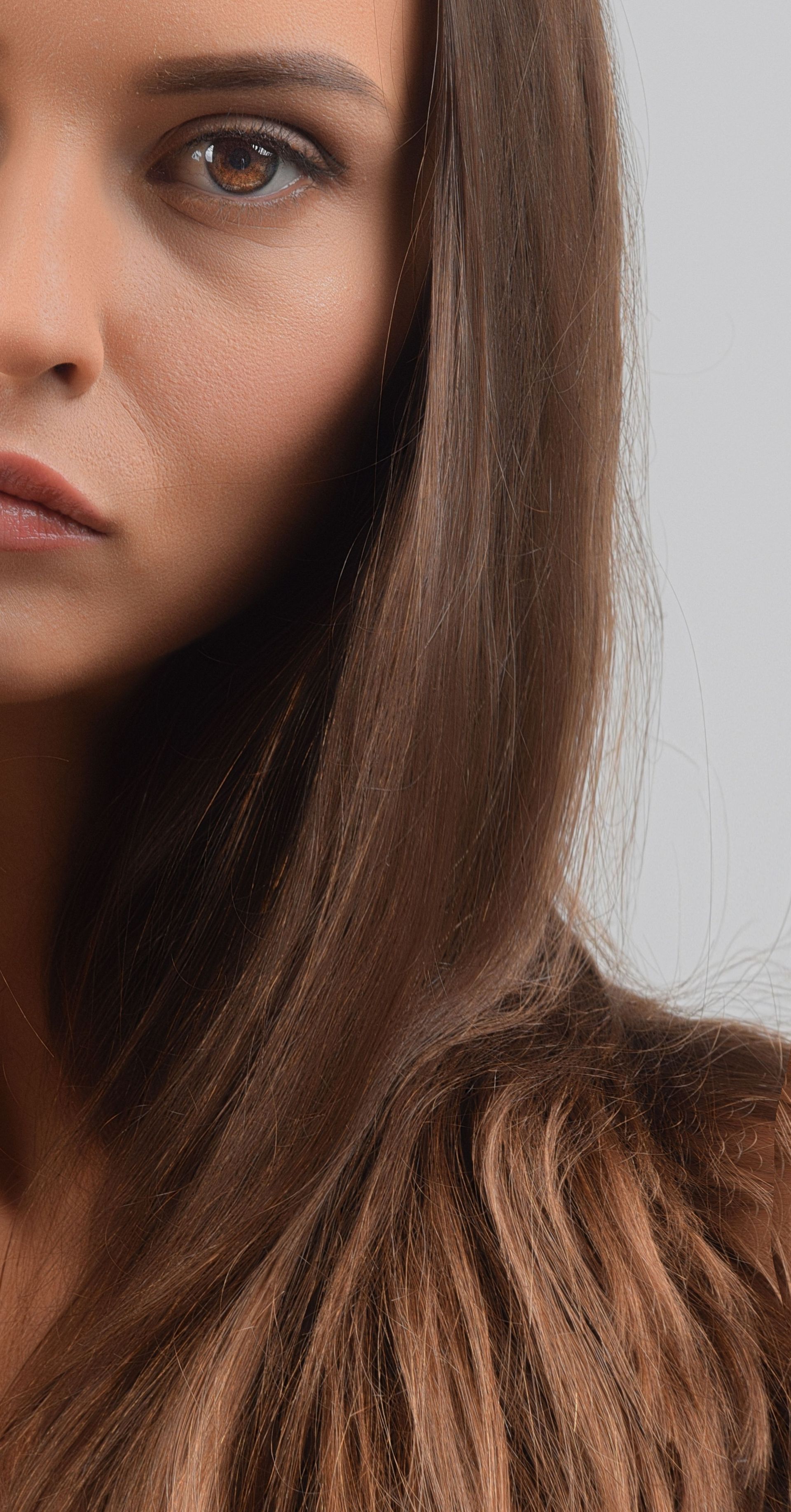


Hair Growth Facts and Histology
Understanding how hair grows is the first step toward addressing hair loss. At Creative Hair Center, we believe informed clients make better decisions — so here's what you need to know about the science of hair and scalp health.
Hair itself, much like skin, is a stratified squamous keratinized epithelium made up of multi-layered flat cells with a coating of keratin. Keratin's rope-like filaments are responsible for providing structure and strength to the hair shaft.
"Histology is defined as the study of the anatomy of cells and tissues, and this knowledge is used to help individuals know exactly how healthy their hair and scalp are."
26+ Years Experience
Trusted expertise in hair restoration
Personalized Care
Customized treatment plans
Advanced Technology
Modern non-surgical solutions
Free Consultation
Start your journey today
Hair Growth Inhibitors
Understanding External Factors
Certain medical treatments and conditions can significantly alter the normal hair growth cycle.
- Chemotherapy:
Chemotherapy drugs typically work by attacking fast-replicating cells (a hallmark of cancers), which also happens to be a hallmark of hair follicle cells. This disrupts the cycle. Fortunately, growth typically resumes 3-10 months post-treatment.
Alopecia:
A disease affecting the growth cycle, causing follicles to leave the Anagen phase early and enter Telogen prematurely. Alopecia Areata is an autoimmune form, while Traction Alopecia is caused by excessive strain on the hair.
Understanding Hair Loss
Hair follows a specific growth cycle with three distinct phases: Anagen, Catagen, and Telogen.
Each phase possesses specific characteristics that determine the length of the hair, and all three phases occur simultaneously. This means one strand of hair may be in the anagen phase while another is in the telogen phase. Once the cycle is complete, it starts over to create a new strand of hair. On average, hair grows at a rate of 1.25 centimeters or 0.5 inches per month.
The Anagen Phase
The "Growth Phase"
The Anagen phase begins in the dermal papillae, which is the base of the hair follicle. The primary factor determining the amount of time hair remains in this stage is genetics. The longer a hair stays in the Anagen phase, the faster and longer it will grow.
- Cells are actively dividing to produce new hair fibers.
The follicle buries itself into the skin's dermal layer to keep the strand healthy.
Approximately 85% of hairs on a head are in this phase at any given time.
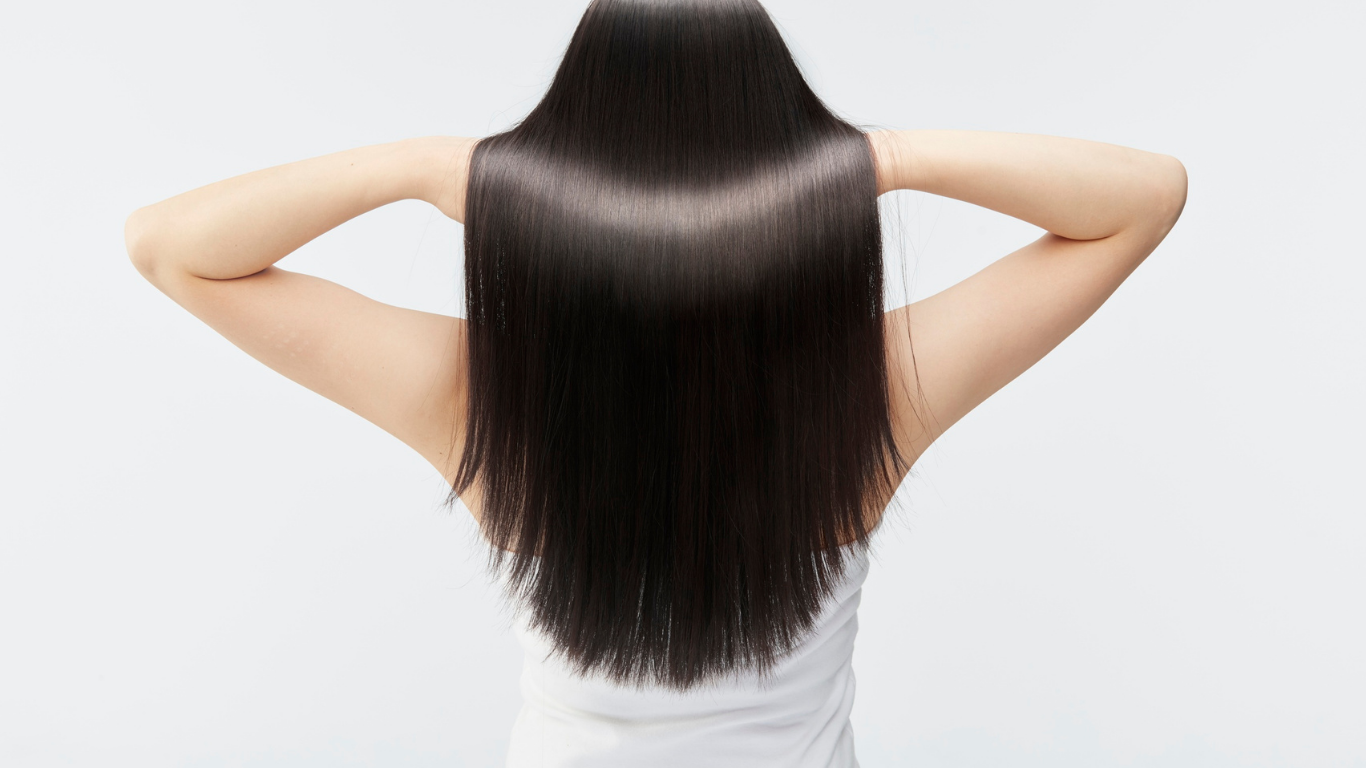
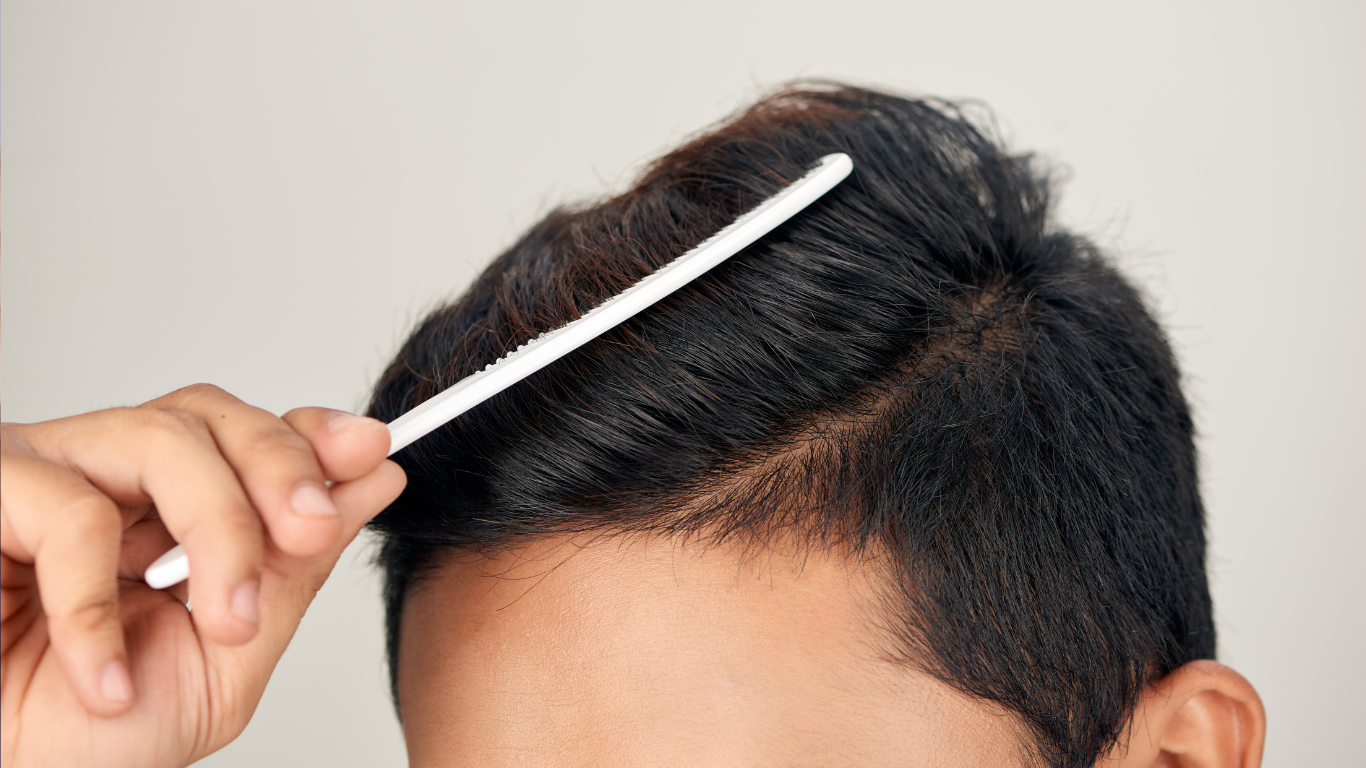
Catagen & Telogen Phases
The Catagen Phase (Transitional)
Begins when signals sent from the body control the end of the Anagen phase. The follicle renews itself as it shrinks due to disintegration.
- Papilla detaches and "Rests".
Blood supply to the strand is cut off.
Follicle shrinks to 1/6th its original length, pushing the shaft upwards.
The Telogen Phase (Resting)
Both the hair strand and follicle remain dormant for one to four months. 10% to 15% of hairs are in this phase at any given time.
- Anagen phase cannot begin until Telogen is finished.
When Anagen restarts, old hair is pushed out (shedding).
Our Approach For Hair Growth:
Keep It Simple
Despite many products making various claims, the truth is that only products that nourish the follicle and help provide or increase blood flow will actually work. It is easy to get lost in the complexity of what different treatments address.
Clients appreciate our:
- Nourish the follicle
Increase blood flow
Address cycle disruptions realistically
"Hair loss is known to be a disruption of the hair growth cycle, but due to the many variables, it is impossible to 'cure' until genetic makeup can be controlled. We focus on what works today.
Our Commitment to Reality
"The follicle is considered an organ like any other living organ of the body, and if it is dead, it is dead."
Bringing life back to a dead organ is currently impossible with existing knowledge and experience. While there is some luck growing hair in a Petri dish or cloning hair, these involve complications and significant expense.
As science develops, it makes logical sense that researchers will learn how to keep organs, including the hair follicle, from being attacked by bad proteins in the first place through protective encapsulation.
Frequently Asked Questions
On average, human hair grows about half an inch per month, which translates to roughly 6 inches per year. However, this rate can be influenced by factors such as age, genetics, hormones, and overall health.
Yes, there is some truth to this. Warm weather boosts circulation to the skin and scalp, which can slightly accelerate hair growth. The difference is usually minimal, however.
If you notice sudden, patchy hair loss, overall thinning that makes your scalp visible, or if you are losing significantly more than the normal 50-100 hairs a day, it is advisable to consult a professional or a dermatologist to determine the underlying cause.